

Clear the gutters and the downpipes
Gutters get cleared. Downpipes usually do not, and a downpipe that is blocked at the bottom turns the whole gutter into a trough that overflows straight down the wall or back into the eaves.
Run a hose down each one. If the water backs up rather than running away, the blockage is in the downpipe or the stormwater line below it.
Check where the stormwater actually goes
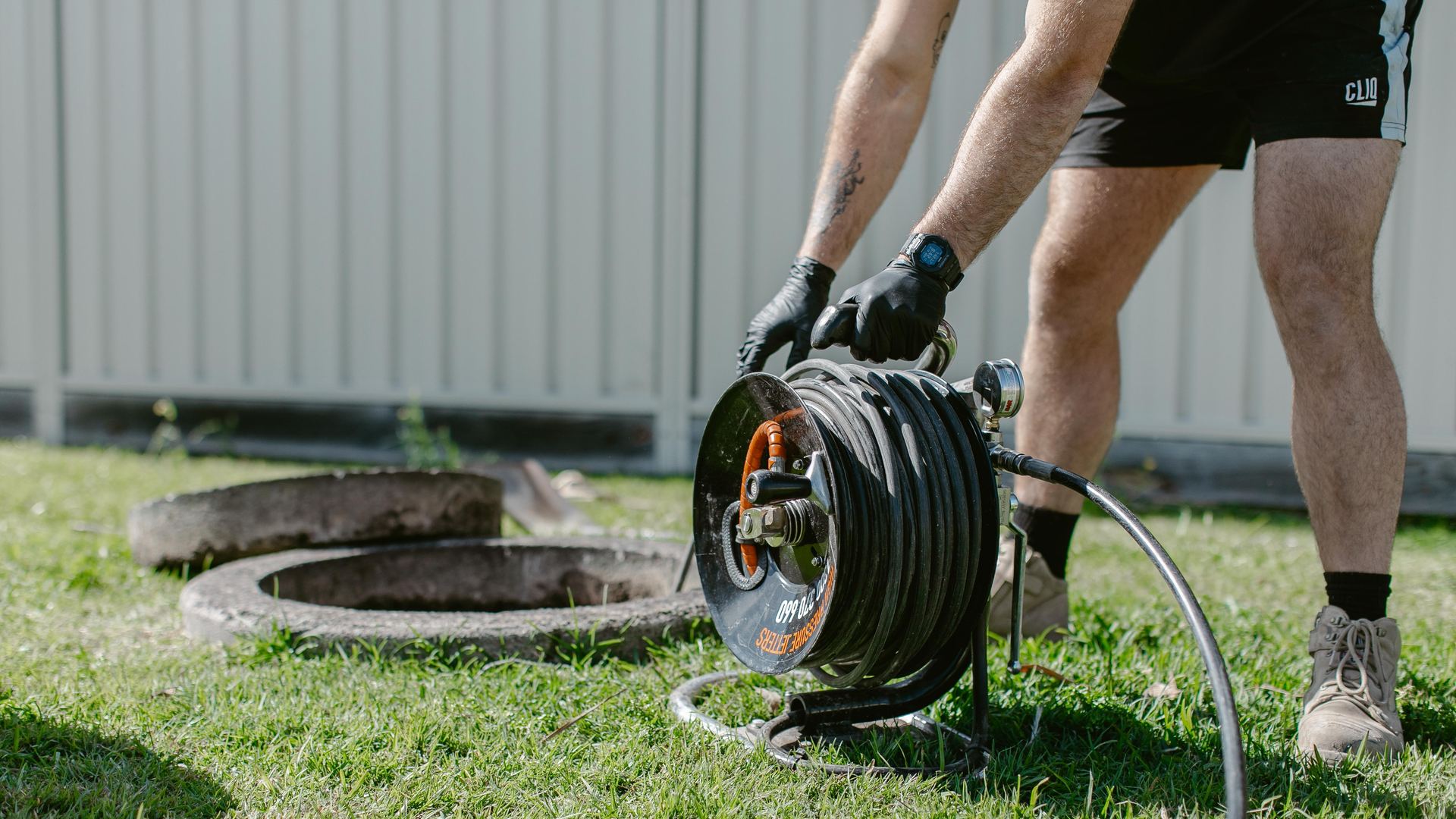
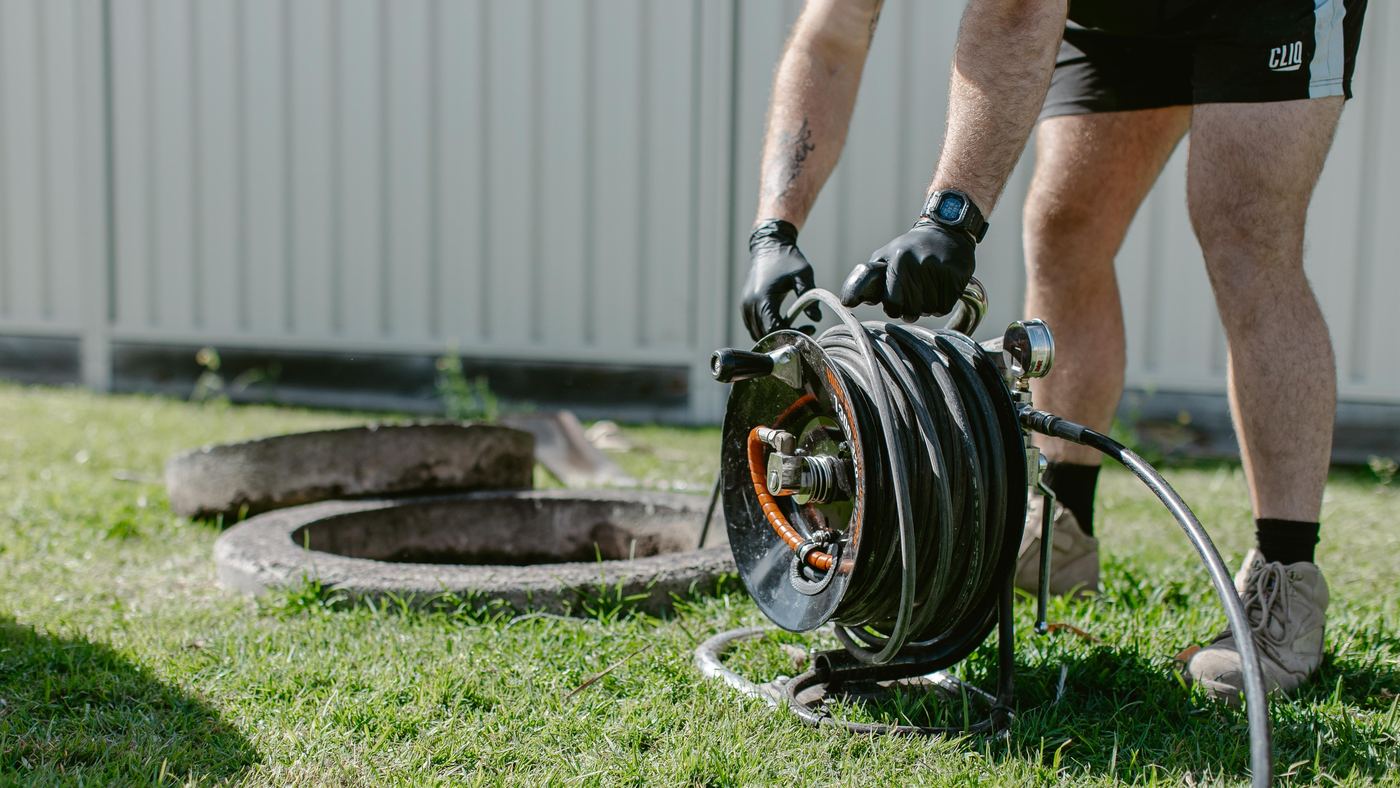
A lot of properties have stormwater lines that were connected decades ago and never inspected since. Silt, roots and collapsed sections are common, and you find out during the first real downpour.
If your yard floods in the same spot every heavy rain, that line is worth a camera before the season rather than during it.
Know where your stop tap is
Find the mains isolation valve at your meter now, when you are not standing in water. Check it actually turns, because older gate valves seize solid and shear off exactly when you need them.
If yours will not budge, that is a fifteen minute job to replace and it is the single most useful piece of preparation on this list.
Clear the overflow relief gully
The grated drain outside that sits lower than your indoor fixtures is designed to spill sewage outside rather than into your bathroom. If it is buried under mulch, covered by a pot, or built over, it cannot do that.
Make sure it is clear and visible, and that nothing has raised the ground level around it.
Have the number handy
Storm nights are the busiest nights of the year for every plumber in the region. Knowing who you are calling, and having already turned the water off, puts you in a much better position than working it out at midnight.
Written by the team at Adlington Plumbing. Licensed plumbing and gas fitting across Newcastle, Lake Macquarie and the Central Coast. Licence 384065C.